
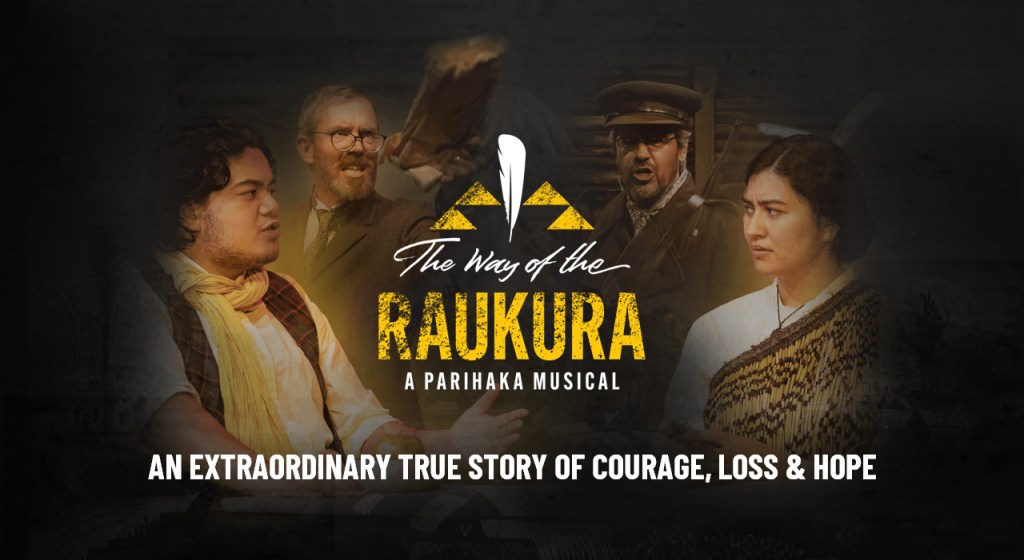
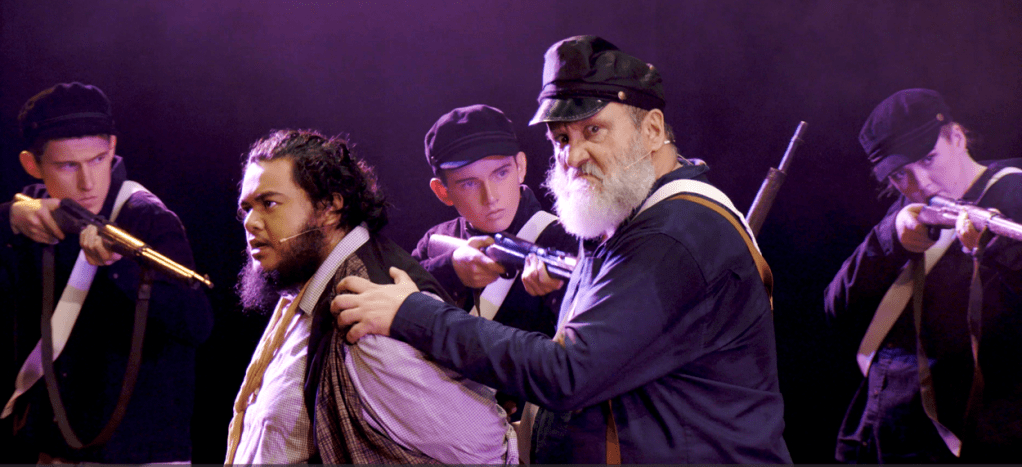
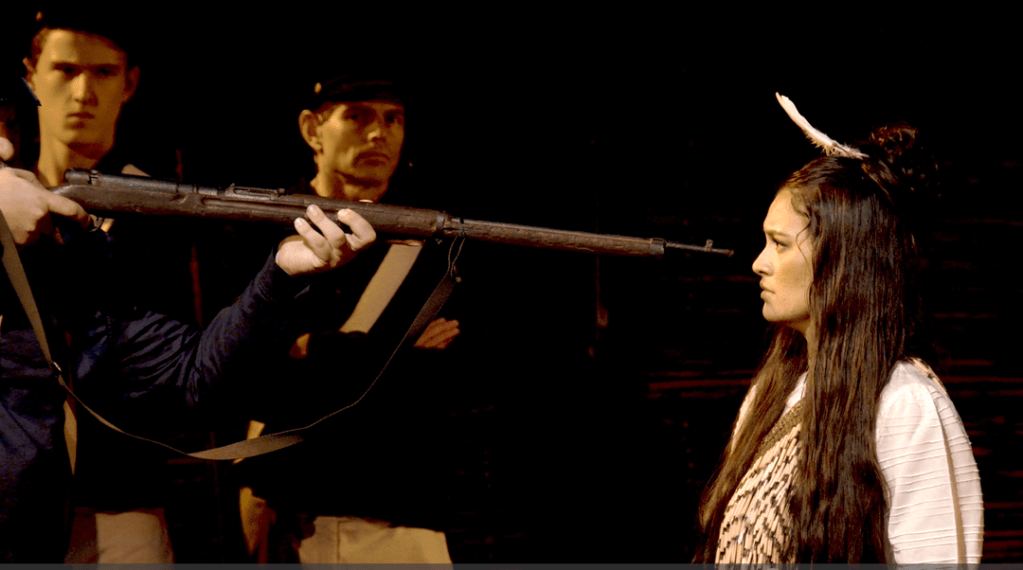
1,600 soldiers and volunteers marched on a flourishing, peaceful village that had become a haven for dispossessed Māori. Led by Native Affairs Minister John Bryce, an overwhelming use of force was considered necessary to solve ‘The West Coast Problem’. But instead of the expected bloodbath, some very different actions ensued. Actions that revealed the heart of a very special Māori community. Actions that reverberated across the world and down through history’s pages. Actions that speak hope amidst the wounds of racial division and suffering in today’s world.
1880’s New Zealand Comes to Life…
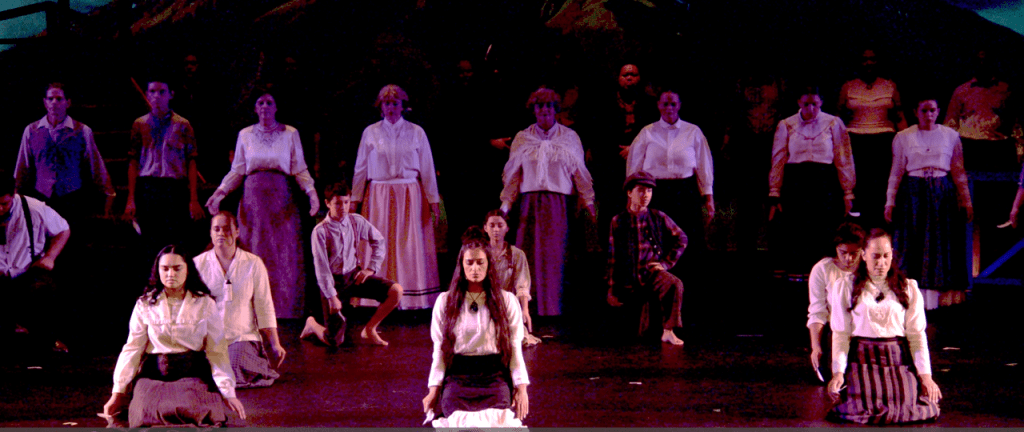
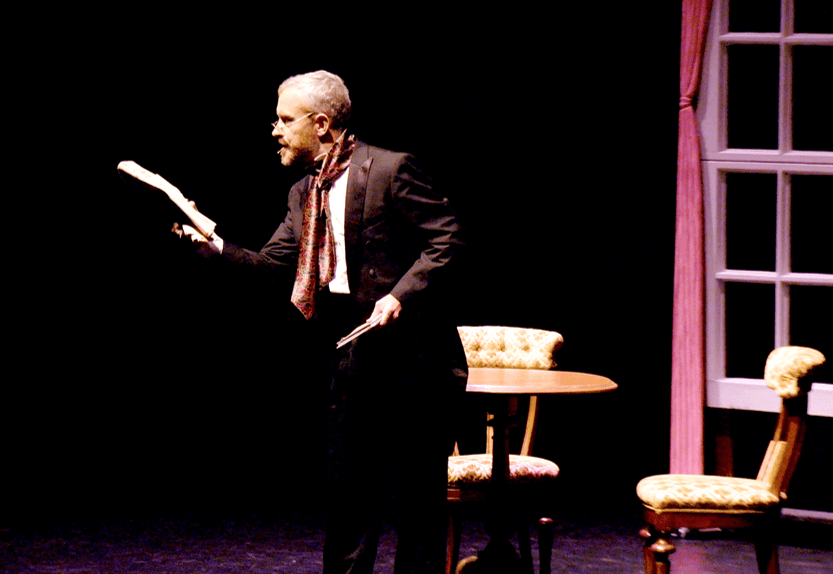
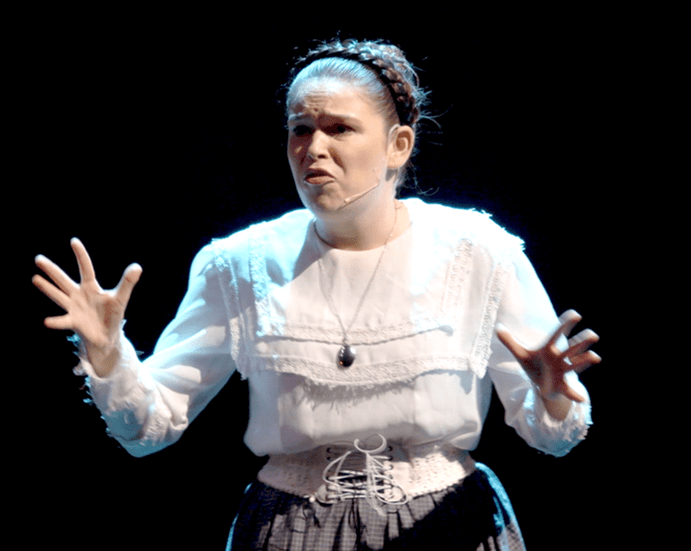
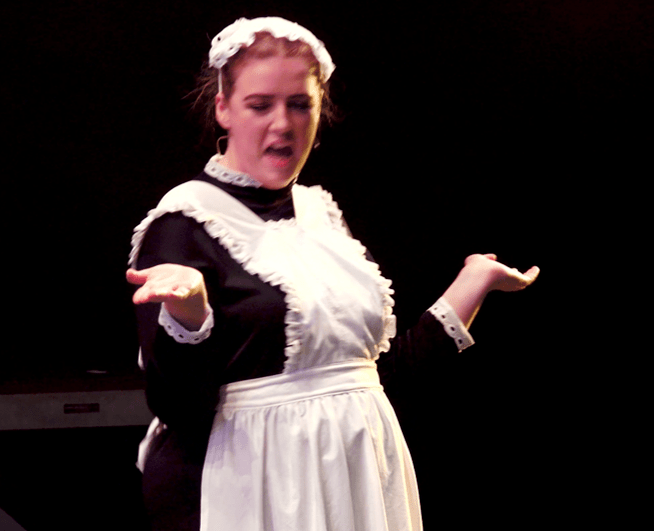
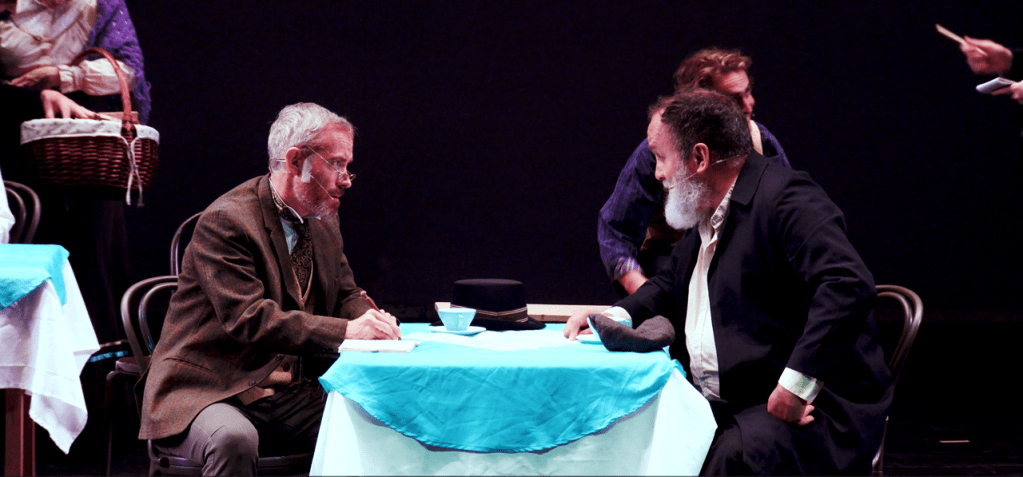
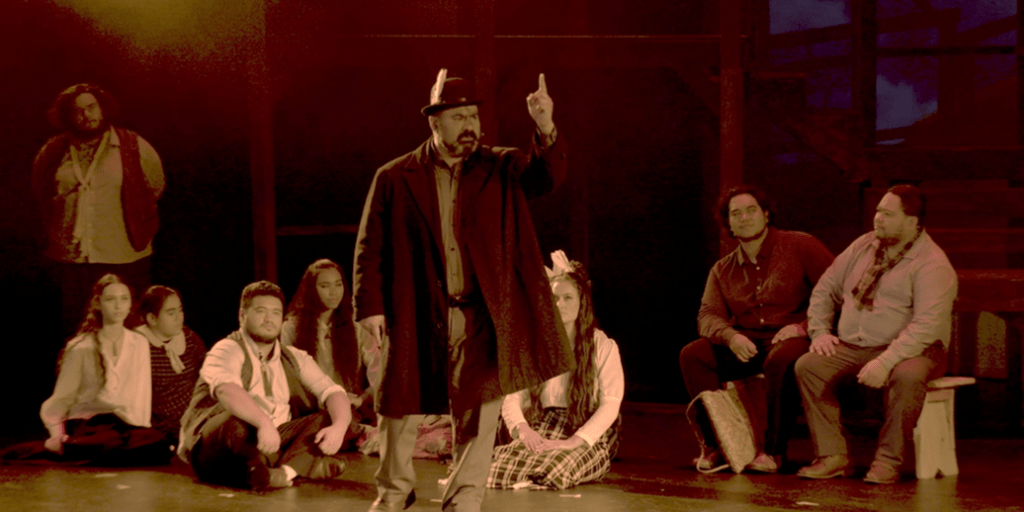
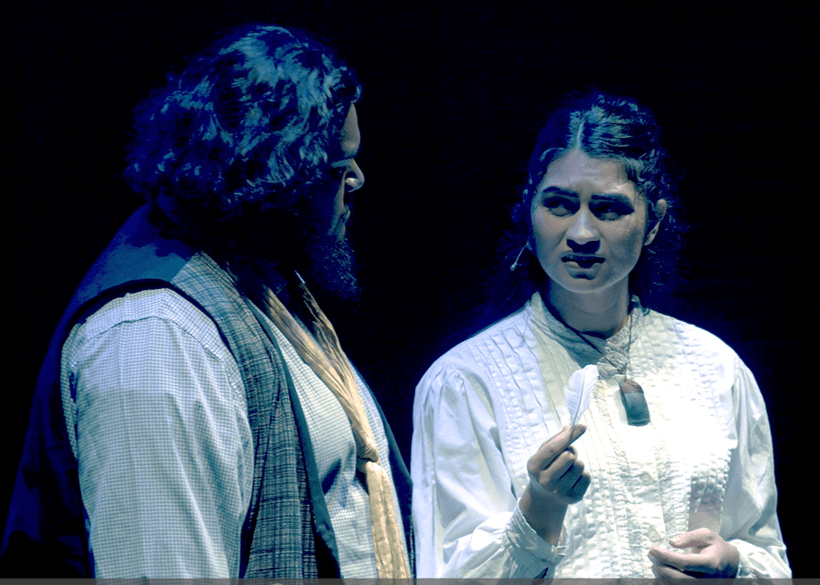
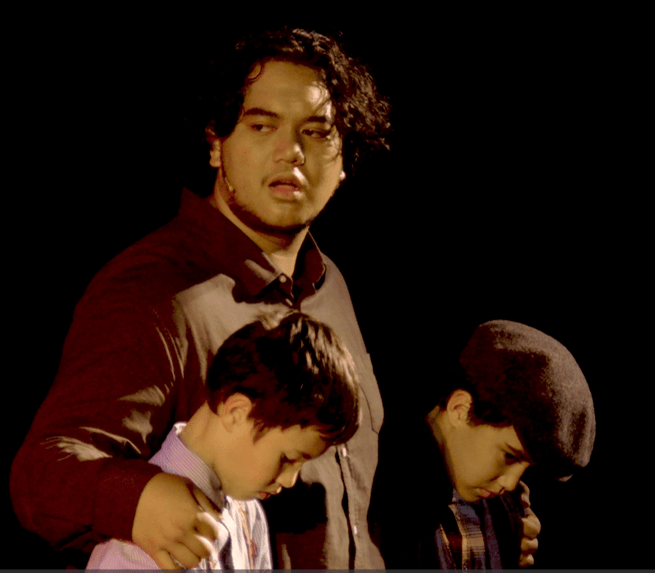
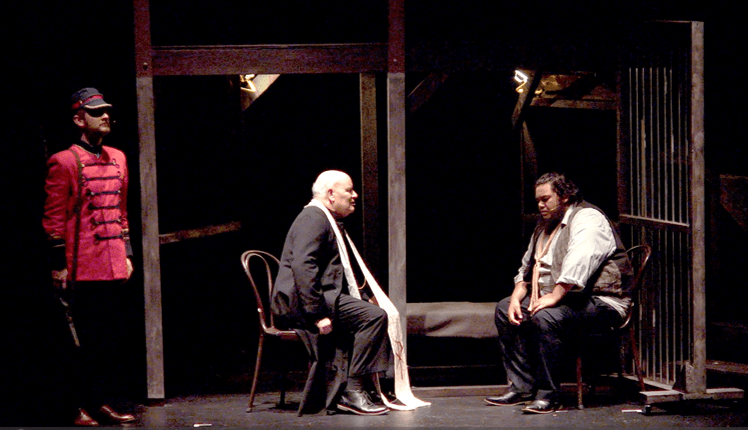
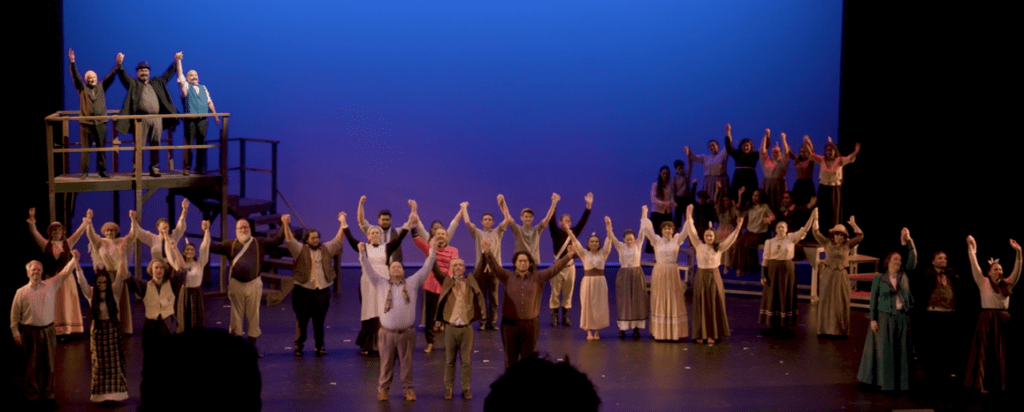
… with engaging characters, climactic events and an evocative set. The Way of the Raukura follows the fortunes of two historical characters (Samuel Crombie Brown and Wiremu Hiroki) who come to Parihaka just prior to the invasion. What happens when a wanted criminal seeks refuge in a pacifist village? What happens when a news reporter breaks a government media ban? And what happens when an army of 1,600 marches on Parihaka?
What People are Saying About the Film
For November 2025 we created a film version of this musical, which has been shown in Parihaka and various other locations including St Luke’s Event Cinema. Below are comments we have received from those who have seen it:
‘I loved the movie of the musical, it was entertaining, superbly written (I too am a writer so appreciate good writing), the lyrics and singing was amazing and it was so professionally produced, the play and the filming of it. I liked that it told the story of Parihaka without too much or too little emotional emphasis on the traumatic events – a nice balance.’
‘An utterly captivating, plangent true story from this country’s past that is so transformative and so relevant to all New Zealanders today. Plangent because it depicts how greed (in this case, land hunger) and racism led white settlers to steal land that was not theirs. Transformative because this story set a blueprint of non-violent but vivid resistance that would later inspire leaders as diverse as Gandhi and Martin Luther King. I was moved to tears on several occasions. The singing is angelic, the score soaring and immersive, the acting saturated with mana. This is a story with a strong spiritual heartbeat. I was left with the profound feeling that I wanted to live my life differently; in a way that extends grace to those who perpetrate injustice, and holds up a single white feather as a peaceful challenge to change.’
‘Thank you for bringing The Way of the Raukura – A Parihaka Musical to the world. It’s a powerful and timely work – especially in an age of conflict – reminding us that love is the only path to lasting peace… Wishing you every success as it reaches more people.’
‘I like the music of this film. Especially a young girl sang a song when the soldiers invaded the village. It’s really impressive.’
‘It was a truly moving musical. I was deeply touched by the story… The message was powerfully conveyed through both the story and the songs, each of which touched my heart deeply. Thank you for such a meaningful and inspiring performance.’
‘Inspirational, Professional, and challenging! It’s a story we need to tell our children, as it is like a star that shines in the NZ history. Love the singing and how the musical brings the story alive!’
‘It’s a powerful and timely work – especially in an age of conflict – reminding us that love is the only path to lasting peace.‘
‘I was deeply touched by it all, the story of course but also how powerfully this hugely important story has been captured by the music, the lyrics – deeply impacting. I want to say a big thank you to you for the inspiration and the talent and the energy that was put into this production… A particularly poignant part of this for me has been the fact that in doing research on some of my English forebears who arrived in the Taranaki around 1870 I learned that they were involved fighting for the settlers in the region. I suspect that other branches of my family may also bring up similar grievous stories. Seeing the musical has made me realize that I personally carry in some measure the weight of colonial history. I have started sharing some of this with my family members.’
‘Compelling true story!! Brilliant translation into film! Really appreciated the clarity of the vocals and the way the camera angles brought focus to the pivotal moments.’
‘Needs to be more public screenings not just private sessions!’
‘Mīharo! What a moving, inspiring, challenging, and beautiful performance. Ngā mihi nui for putting this together and recording the story of Parihaka in a new format for generations to learn and be inspired by.’
‘What an incredible, powerful film. Thank you so very much to all who were involved. It is a vital piece of New Zealand’s history, and I’m so relieved, proud, and awed that it’s finally being told. Praying for provision, favour, and success in getting this story and this film into the New Zealand school curriculum.’
‘I will start by being honest that I have been for the most part, very ignorant of my knowledge of the history of New Zealand. Specifically, I have formulated a poor view of what happened based on bits and pieces of what I have heard or read. I believed (wrongly) that all Māori people were involved in their own tribal wars and the arrival of the British to NZ was inevitable . What I failed to understand was how shocking the treatment was by the Pakeha towards the community living at Parihaka. The appalling way in which some decision makers used their power and strength in numbers to take over control of these people and rid them of their land originally promised at the signing of the treaty of Waitangi. Indeed the idea that men could be imprisoned without trial is a shocking case of injustice . Not withstanding, the disgusting way in which women and children were driven from their homes and left to do their best to survive is painful to learn. Yes, it has happened in places all around the world, but history like this, kept secret for the most part is never good to hear about. It was very impacting to see that the responses of the people going through this showed remarkable resilience. I have no doubt that their lives after this shocking event were never the same and I have a deeper respect for these Maori people having learned of their plight. Thank you …for bringing this history back to life. It is a story that is worth telling to as many as will be open to hearing the truth of what really happened.’
‘Tissues are a must… A story of great significance in NZ’s history, retold with passion and a whole lot of heart.’
Writing & Direction: A Journey of Partnership, Participation & Protection
Co-written & co-directed by Sarah Tahere (ko ngati raukawa me ngati toa Rangatira oku iwi) and Steve Worsley (nō Taranaki ahau).
In telling the story of two cultures it was essential to represent those two cultures in the directing of the show. As per the intent of Te Tiriti O Waitangi, this show is a Māori–Pākekā partnership at every level. While sharing overall directorship, Steve brings particular oversight to the music, and Sarah (with husband Mark Tahere) to cultural direction. The Production Team is filled out by Acting Coach Jo Rasmussen and Choreographer Rereaute Tamanui.
Creators of The Way Of The Raukura
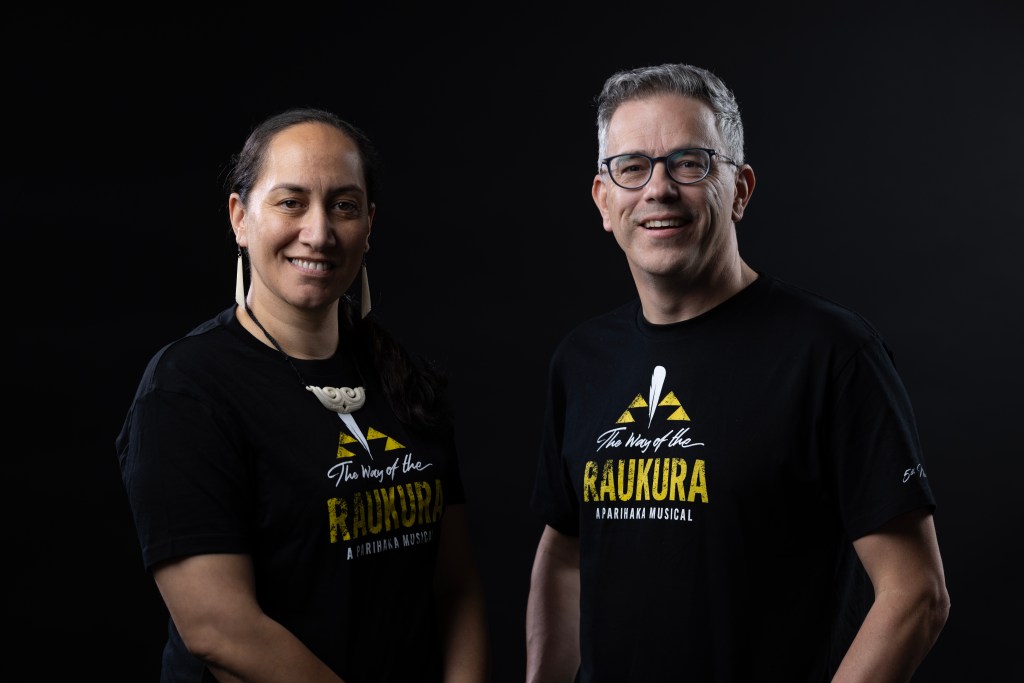
SARAH TAHERE
Sarah Tahere wrote the song, ‘Under the Mountain’ which sparked the vision for the writing of this show. Her classical music and creative arts background, cultural and linguistic insight developed through teaching of Māori culture, and her ancestral link to Parihaka, have woven their way through the creation and development of this show.
STEVE WORSLEY
A former concert pianist with a master’s degree in performance and composition, Steve combined his passion for music and interest in stories of justice and grace, to create the script and music for The Way of the Raukura. This show features a seven piece live band (Bass, Drums, Electric Guitar, Keyboard, Trumpets & Grand Piano) traversing contemporary styles (soul, jazz, ballad), and some traditional cultural sounds.
Gallery

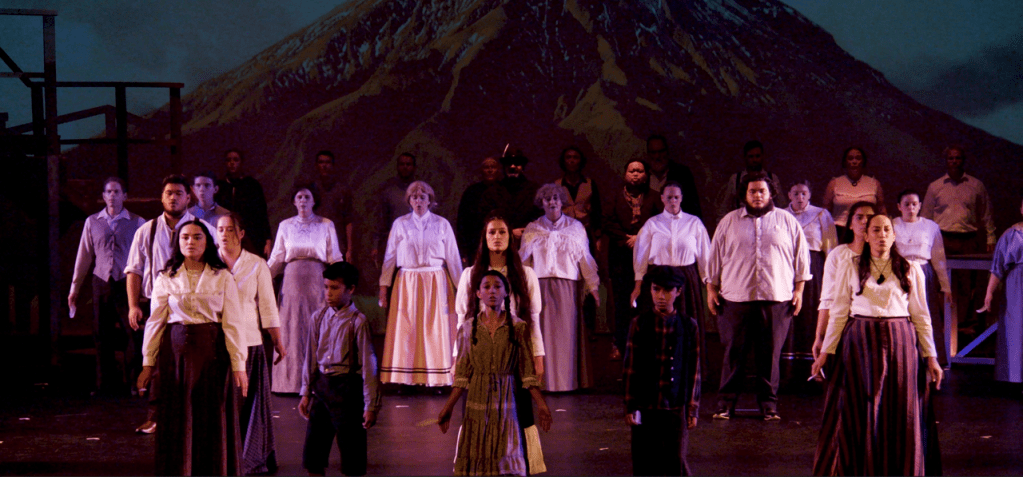

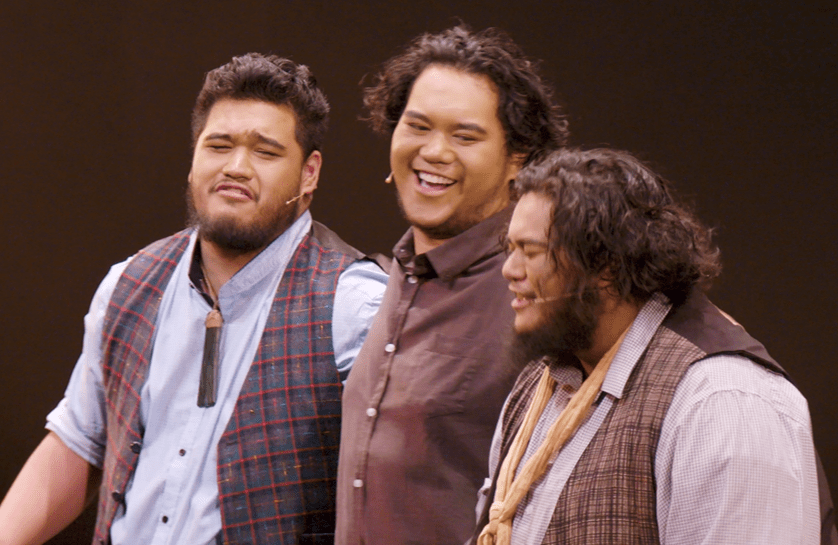

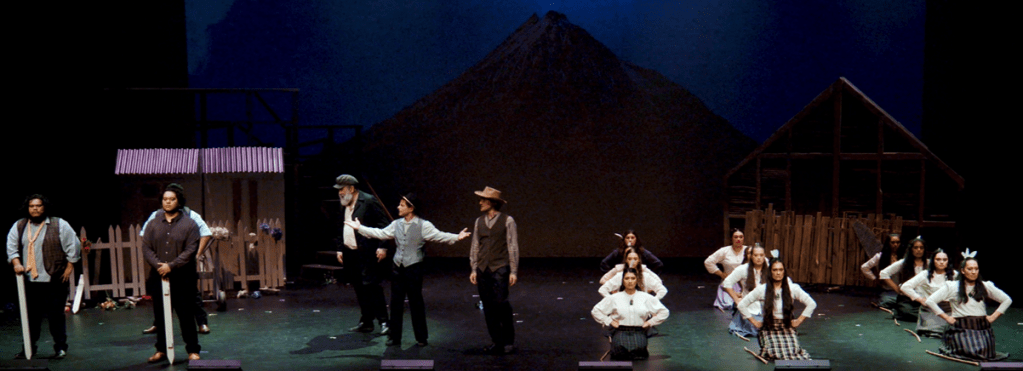
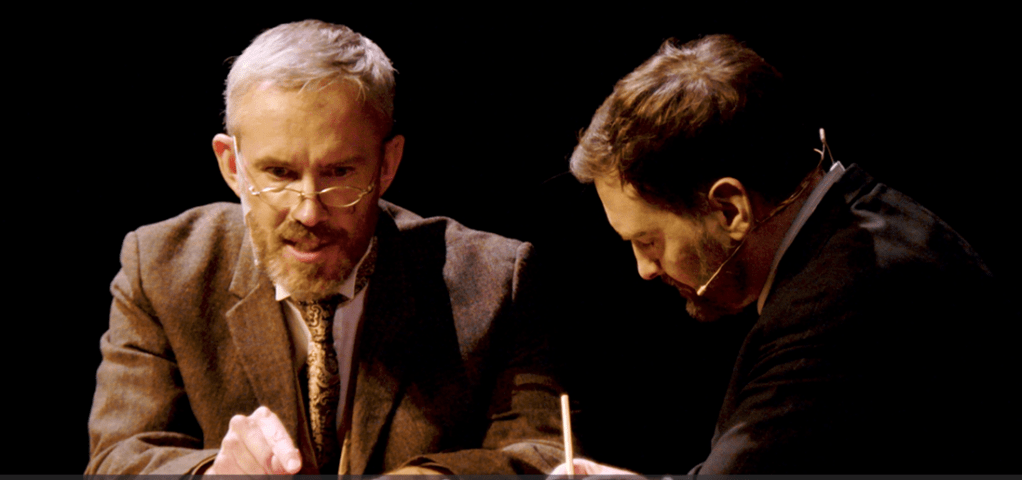
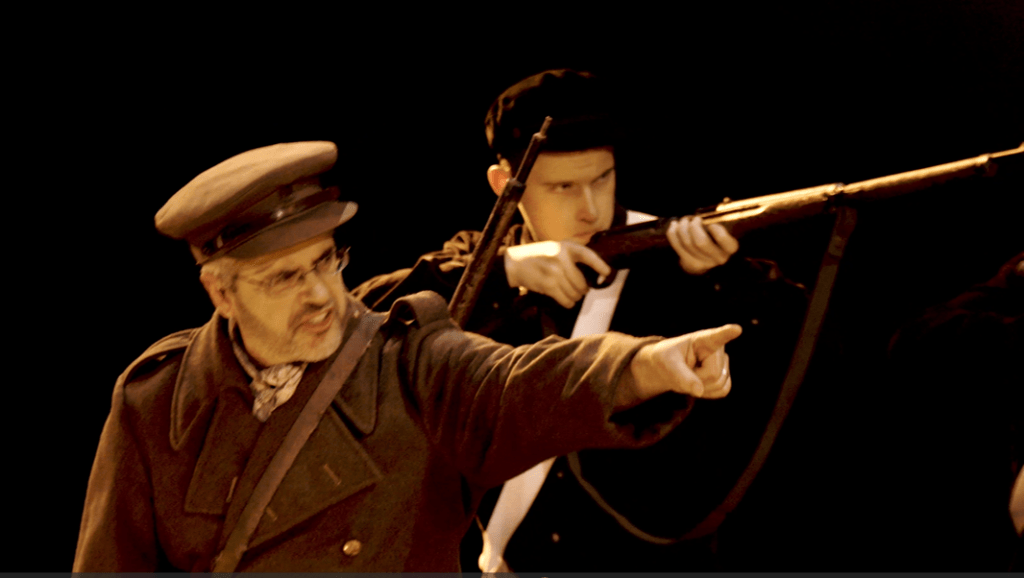

 Toitoi Collective Theatre